

{%CAPTION%}
Golf as a Strategic Real Estate Asset and Industrialised Construction Take Centre Stage at the Real Estate Alfil Chair Conference
During the session, a particularly significant figure was highlighted: 27% of golf tourists invest in property in Spain, compared with just 5.7% of conventional international tourists.

Golf as a Real Estate Asset: Investment, Loyalty and Residential Value
One of the central blocks of the session focused on golf as a real estate asset, with contributions from Carlos Pitarch, Vice President of the Spanish Association of Golf Courses.
Pitarch highlighted the scale of the sector in Spain, with more than 1.4 million annual tourists, an economic impact of nearly €16 billion, and around 133,000 jobs generated.
He also emphasised its ability to attract high-value tourism, characterised by higher spending, longer stays and a clear contribution to reducing seasonality.
“While 5.7% of international tourists buy property in Spain, in the case of golf tourists this figure rises to 27%”
He added that this profile is “more loyal to the destination and has a stronger intention to remain long term”.
He also highlighted the impact of golf on real estate value appreciation, noting that in certain golf-linked areas, property prices have experienced significant growth in recent years.
However, he stressed that the success of these developments does not depend solely on infrastructure:
“A golf course alone does not generate value. What makes the difference is the ability to create life, community and experience around the asset”
In this regard, he advocated an integrated development approach:
“It is not about developing a project with a golf course, but about understanding golf as a core part of the product and managing it professionally from day one”
Industrialisation: Efficiency, Scale and a Changing Model
Another key focus of the session was industrialised construction, analysed in a panel discussion with representatives from AEDAS Homes and ARQUERMO Architects.
The debate highlighted that industrialisation addresses structural challenges in the sector such as housing shortages, a lack of skilled labour and low productivity.
José Ignacio Fernández de Jódar noted that while manufacturing industries have improved productivity by around 40% over recent decades, the real estate sector has seen little progress.
Industrialisation aims to close this gap through process standardisation.
However, he clarified that it does not currently imply lower costs: “Today we do not build more cheaply, but it does provide certainty in timelines, risk reduction and greater control over the process”.
Jesús Olmedo explained that in certain sectors, construction models already exist that allow buildings to become operational within weeks thanks to off-site modular manufacturing.
Both experts agreed that this model represents a profound transformation of the value chain, shifting weight towards earlier stages such as design, engineering and logistics, and requiring greater coordination between stakeholders.
They also warned about current challenges, including the need for scale, limited industrial capacity and energy infrastructure constraints already affecting some projects.
“The combined analysis of both areas highlights a broader transformation of the real estate sector. While assets such as golf are reinforcing structural demand and long-term value, industrialisation is changing how that value is created and captured.”
— Josep Mor Figueras, Professor of Finance and Academic Director of the Chair
Business Analysis and Advisory Board Activity
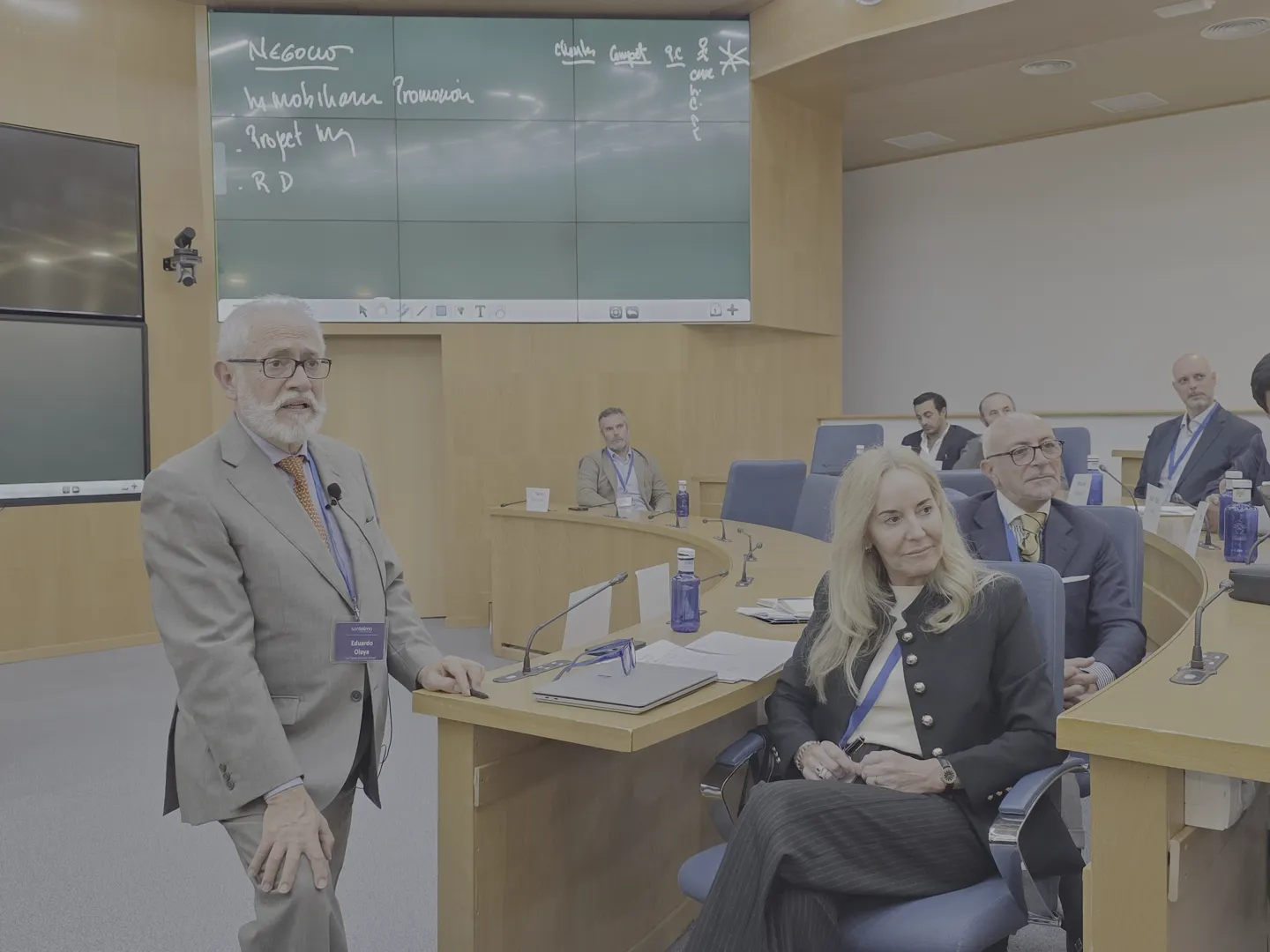
During the session, the Grupo Polo case was presented in a discussion between its CEO Sofía Polo, Professor Eduardo Olaya and members of the advisory board.
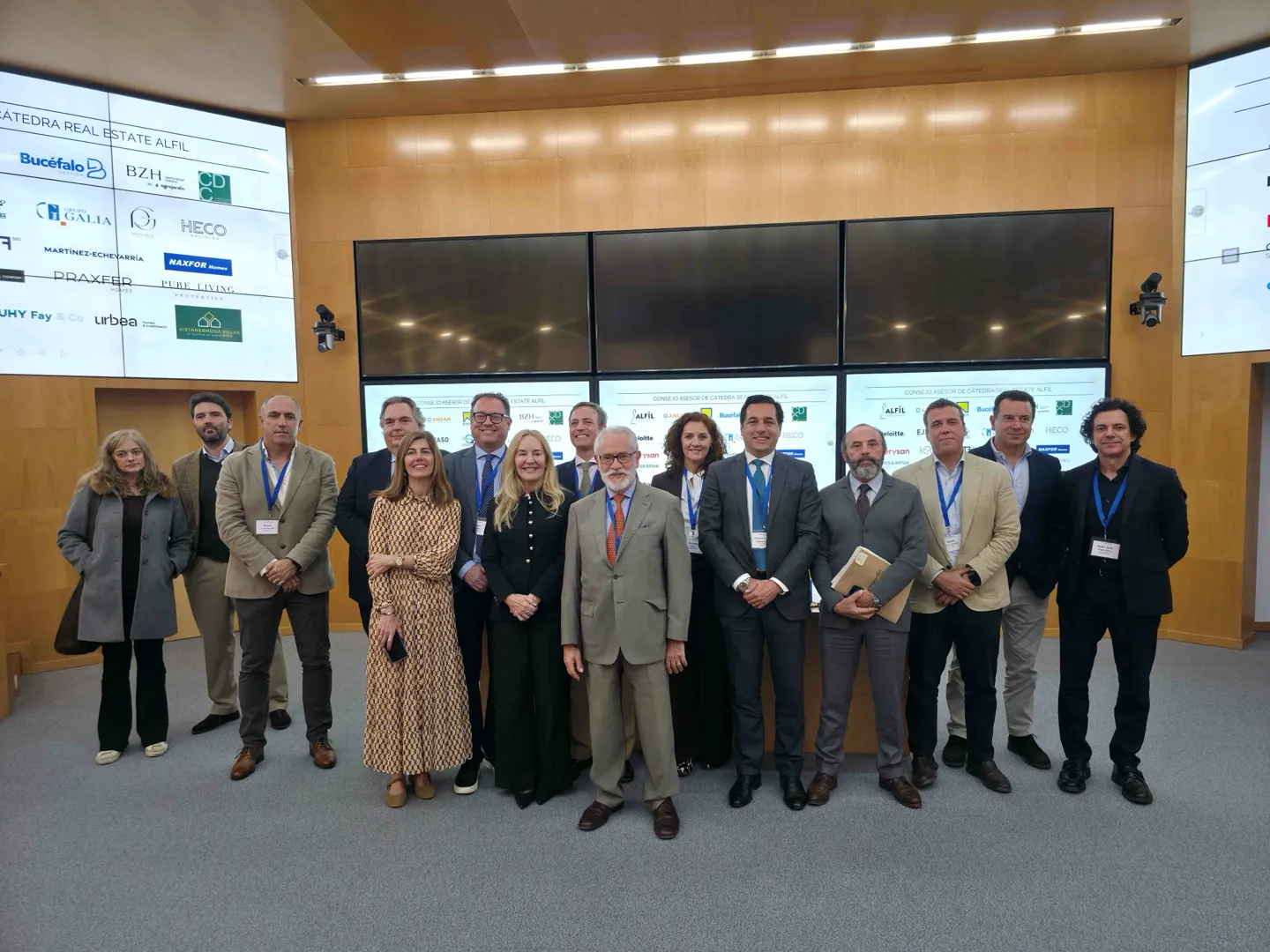
In addition, several advisory board companies shared their activity: Ansan, Meta 360º, Urbea and KPC.












Leave a Reply