


History of golf in Spain: how it became a popular sport and its evolution
Golf in Spain has come a long way since its first appearances to consolidate itself as one of the sports with the greatest projection in the country. Although its growth has been progressive, the evolution of Spanish golf reflects a combination of sporting development, institutional impulse, modernization of infrastructures and the growing participation of national players in international competitions. This historical journey helps to understand how golf has gone from being a minority activity to become a sporting and tourist proposal of national and international relevance.
The origins of golf in Spain: the first courses and the first fans
Golf arrived in Spain at the end of the 19th century, in a context of cultural openness and growing relations with other European countries. Its arrival was linked to foreign communities that resided or visited Spain frequently, especially the British.
First fields and historical references
The Real Club de Golf de Las Palmas, founded in 1891, is considered the oldest golf course in Spain and represents the official beginning of the organized practice of golf in the country. From this moment on, other courses began to appear in areas where the foreign presence was more notable, such as the
An elitist practice in its first decades
For much of the twentieth century, golf in Spain was associated with small social circles. The limited infrastructure, the cost of equipment and the low expansion of the sport meant that its practice was concentrated in groups with greater purchasing power. However, this stage was also key to the establishment of institutions and clubs that would later promote its democratization.
The expansion of golf in the 20th century: professionalization and growing popularity
The real growth of Spanish golf began in the 1960s, coinciding with the country’s tourism and economic development. Spain began to position itself as an attractive destination for European visitors, many of them golf enthusiasts.
Tourism, climate and the creation of new fields
The Costa del Sol, the Canary Islands, the Valencian Community and Catalonia were key regions in this expansion. The combination of a pleasant climate all year round and ambitious tourism projects favored the construction of modern courses. By the end of the 20th century, Spain already had enough golf courses to attract international tournaments and promote golf tourism.
The role of the great Spanish players
The emergence of figures such as Severiano Ballesteros, José María Olazábal and Sergio García played a decisive role in the popularization of golf. Their international successes inspired new generations and placed Spain on the global golf map. The influence of these players transcended the sport and fueled the demand for schools, academies and training programs.
21st century: consolidation, modernization and international recognition
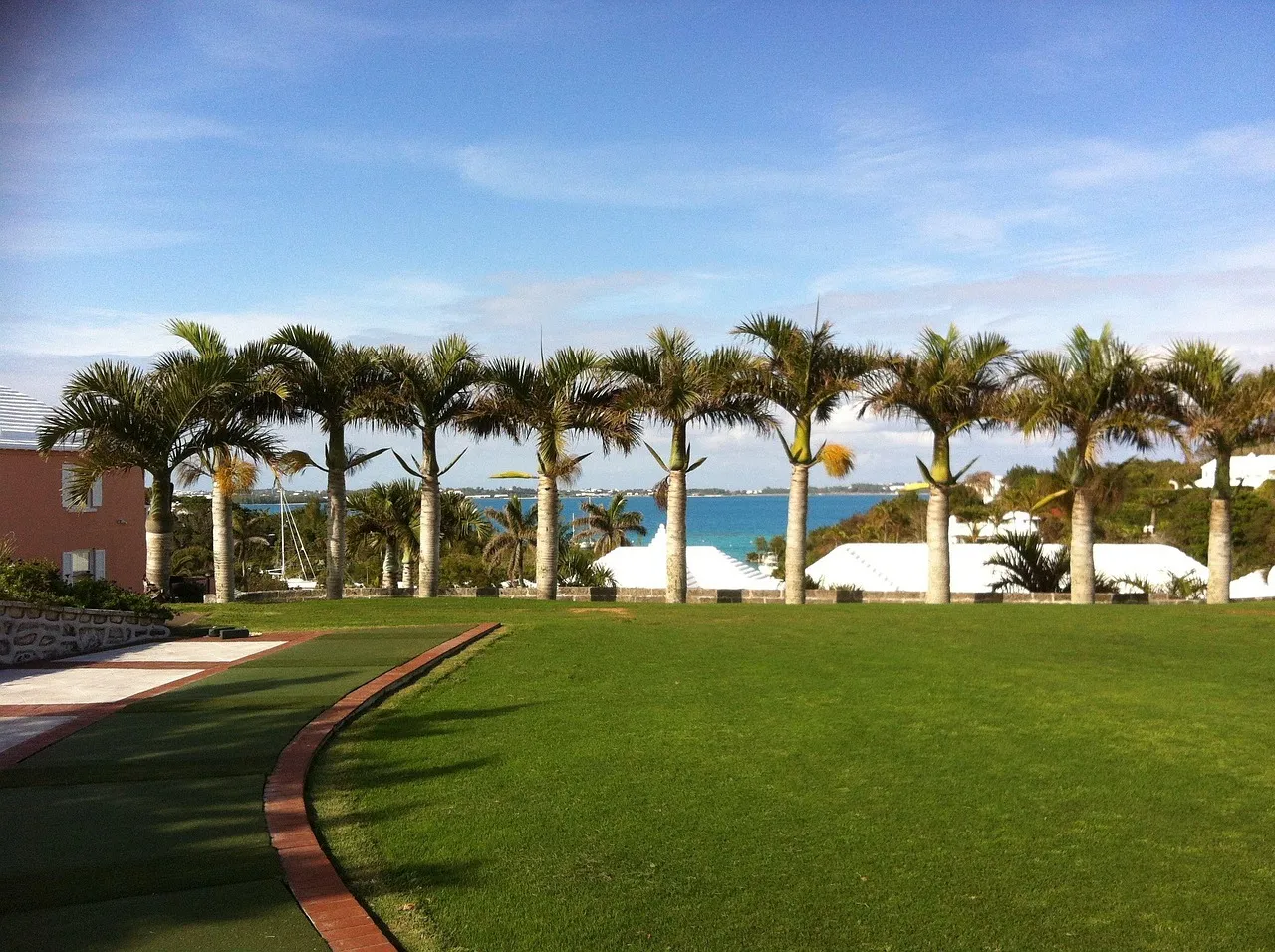
In the first decades of the 21st century, Spain strengthened its position as one of the European countries with the greatest projection in golf. The professionalization of the sector, improvements in infrastructure and the commitment to sustainability mark this stage.
First class courses and international events
Spain has hosted major European Tour competitions and has hosted events that have projected a solid image on the international scene. The quality of its courses, the level of maintenance and the diversity of designs have made the country a reference destination for amateurs and professionals. In addition, the organization of tournaments for women and juniors has contributed to broaden the base of practitioners.
Growth in junior and women’s golf
Initiatives to promote golf among women and young people have led to greater diversity in the practice of the sport. Initiation programs, agreements with schools and more accessible clubs have allowed golf to be perceived as an inclusive, modern and educational sport.
Current developments: sustainability, technology and accessibility
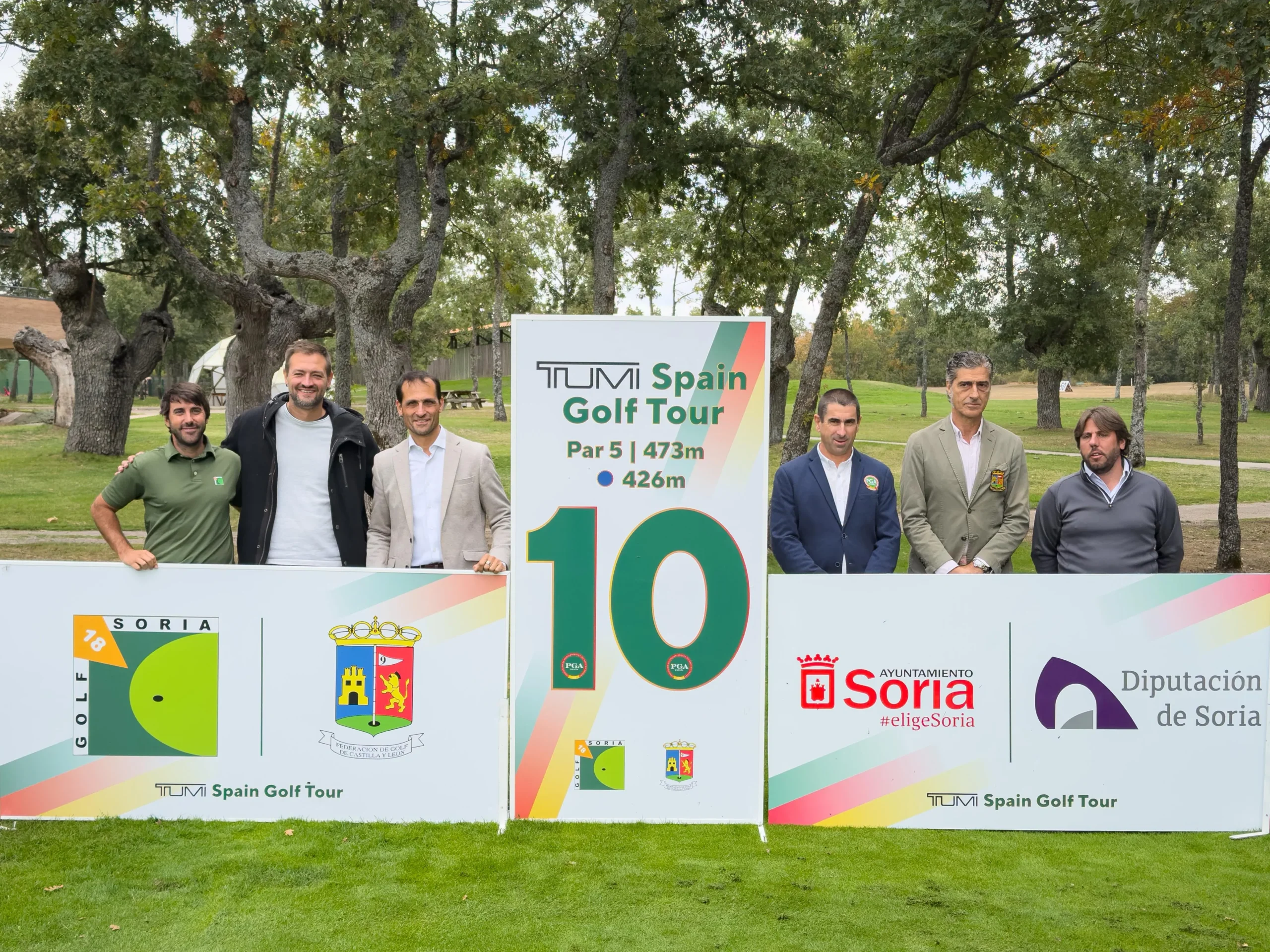
Golf in Spain continues to evolve and adapt to the needs of the contemporary player. Innovation, sustainability and digitalization are elements that mark the present and will condition the future.
Sustainable fields and responsible management
Clubs have adopted advanced water management, renewable energy and ecosystem protection practices. This trend responds to both environmental needs and a growing demand from players seeking well-preserved natural environments.
Technology to enhance the experience
The incorporation of simulators, swing analysis, booking apps and digital tools is transforming the way players interact with clubs. Technology has democratized access to learning and made the sport more accessible to beginners.
The history of golf in Spain, a sport with history and a consolidated future
Golf in Spain has gone from being a minority practice to becoming a pillar of sports tourism, a competitive benchmark and an expanding activity. Its history reflects an evolution marked by institutional effort, the talent of emblematic players and the continuous adaptation to new trends. Today, Spain ranks among the most complete golf destinations in Europe, and its trajectory suggests that growth will continue supported by innovation, sustainability and a growing player base.
If you are interested in this information, do not hesitate to read our magazine.











Leave a Reply