


Mental Training for Golfers: Techniques to Improve Your Game Under Pressure

Golf is a sport where the mind can be your best ally… or your worst enemy. Unlike other disciplines, golf requires concentration, patience and emotional stability for several hours, stroke by stroke.
That’s why mastering technique is not enough: if you want to compete well -whether in a social tournament or in the San Miguel Andalucía Golf Challenge-you need to work on the psychological aspect.
In this article we present the main mental training techniques for golfers, focused on helping you perform better under pressure, overcome mistakes, stay focused and enjoy the game more.
Why is Mental Training Important in Golf?
Golf: 80% mental, 20% physical
This phrase, so often repeated among professionals, has a lot of truth in it. The difference between a good day and a catastrophic one is not always in the swing, but in the head.
Benefits of mental training:
- Greater emotional control in difficult situations.
- Improved focus throughout the lap.
- Ability to recover after a mistake.
- Increased confidence in key shots.
- Reduction of competitive stress.
Mental Training Techniques for Golfers
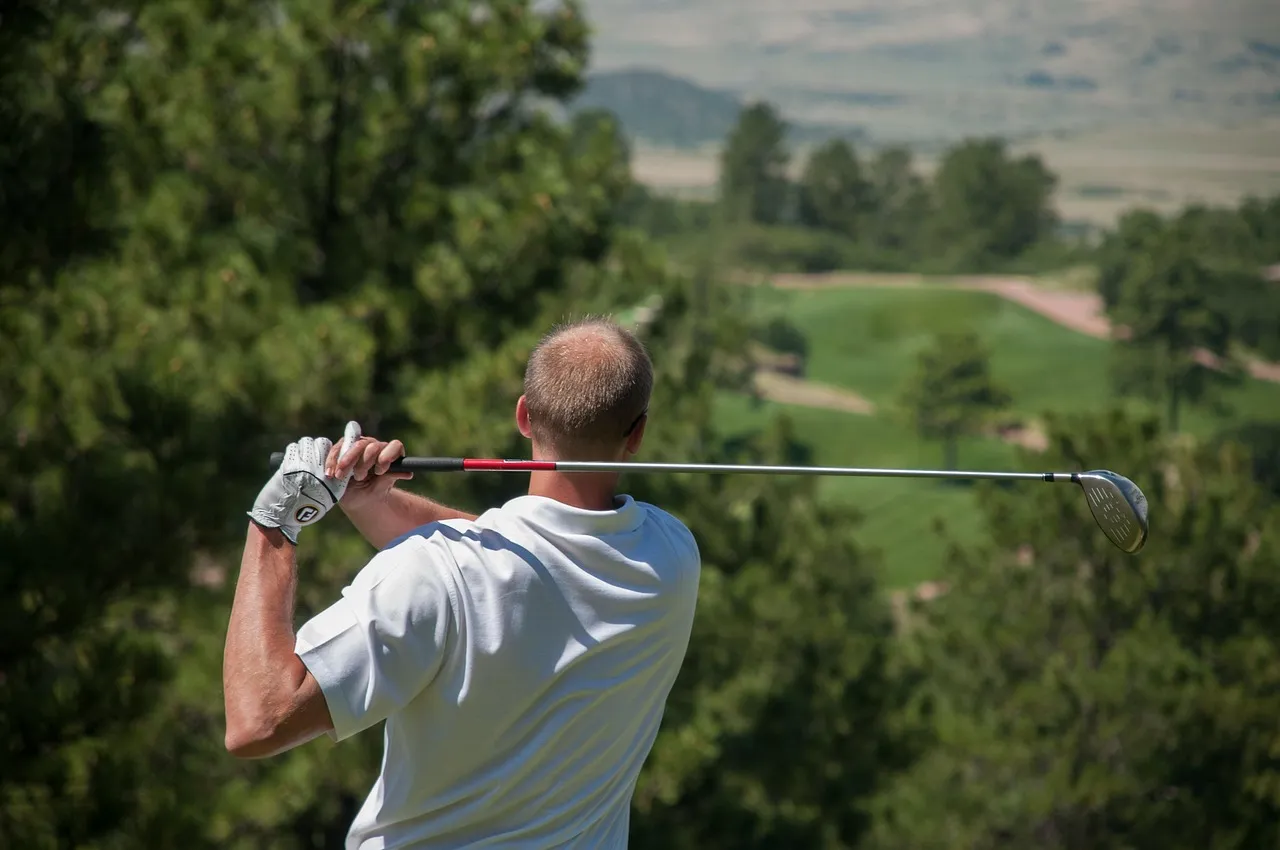
1. Visualization: See the stroke before executing it.
Visualization consists of imagining in detail the shot you are going to make, before making it. Professional golfers do it constantly: they visualize the flight of the ball, the trajectory, the landing and the final roll.
How to practice it:
- Before each stroke, close your eyes for 3-5 seconds.
- Visualize the movement of the swing and the desired result.
- Accompany it with a deep breath to fix the image.
Tip: Practice this technique also at home, as part of your pre-tournament routine.
2. Pre-Strike Routine: Your Anchor in the Field
A consistent routine before each stroke helps your brain go into “execution mode”, reducing distractions and hesitation.
What should it include?
- Visualization of the stroke.
- Practice swing with intention.
- Placement of feet and grip.
- Final breath before executing.
By repeating this routine, your body and mind work in sync and you reduce tension, especially in times of pressure.
3. Breath Control: Master the rhythm of your mind.
Breathing rate directly affects your mental state. Shallow or agitated breathing leads you to error. Deep breathing helps reduce stress and increase concentration.
Basic technique:
- Inhale in 4 seconds.
- Hold 2 seconds.
- Exhale slowly for 6 seconds.
Use it before important blows or after making a mistake, to reset your mental state.
4. Positive Thinking and Inner Language
Your internal dialogue can sabotage or motivate you. Phrases like “I’m sure to fail”, “back to the bunker” or “I can’t handle this hole” trigger anxiety and lack of confidence.
Substitute with statements such as:
- “I’m confident in my preparation.”
- “This blow I’ve already trained for.”
- “I can make a good swing.”
Speaking to you as a coach and not as a critic is key to maintaining focus and performance.
5. Establish Process Objectives, not Outcome Objectives
Many golfers are obsessed with the result: lowering the handicap, winning the tournament, making par. But that adds to the pressure.
Instead, focus on process objectives:
- “Keep the routine in every stroke.”
- “Breathe before every putt.”
- “Choose each stick well.”
This keeps your attention in the present, where you can actually act.
How to Include Mental Training in your Routine
1. Before the tournament
- Spend 10 minutes a day visualizing the course and key shots.
- Rehearse your complete pre-strike routine on the driving range.
2. During the round
- Use conscious breathing after each stroke.
- Stick to your routine, even if you fail.
- Remember your process objectives.
3. After the game
- Evaluate how you managed your mindset, not just the outcome.
- Write down moments of tension and how you resolved them.
Keeping a small mental diary can help you detect patterns and improve your focus week by week.
FAQs
How long does it take to notice improvements with mental training?
With consistent practice, you can notice changes in a few weeks. The key is repetition and honesty in self-evaluation.
Can I practice these techniques without a sports psychologist?
Yes, although a professional can guide you better, many basic techniques such as breathing or visualization can be trained by yourself.
Is mental training only for competition?
No. It also enhances your enjoyment, reduces frustrations and helps you stay motivated in the long run.
Are there any recommended books or resources?
Yes. Some classics are Bob Rotella ‘s Golf Is Not a Game of Perfect and Joseph Parent’s Zen Golf.
Andalusia golf, mental power is not only for professionals
Mental training in golf is not only for professionals. Any player, regardless of level or age, can improve their performance by applying simple techniques such as visualization, breath control or a good pre-shot routine.
If you are competing in circuits such as the San Miguel Andalucía Golf Challenge or simply want to enjoy your golf more, working on your mind is just as important as improving your swing.













Leave a Reply